


Misaligned Teeth Treatment in Culver City
UNDERSTANDING YOUR TEETH AND BITE
What Causes Misaligned Teeth?
Misaligned teeth can develop because of differences in tooth and jaw size, genetics, missing teeth, dental crowding, or certain oral habits. Alignment concerns can affect individual teeth or the way your upper and lower teeth meet.
Dr. Daneshvar can evaluate your teeth and bite to identify alignment concerns and discuss appropriate next steps based on your individual needs.
Genetics can influence tooth and jaw alignment.
Crowding occurs when teeth have insufficient space.
Missing teeth can affect surrounding tooth positions.
Oral habits may influence developing tooth alignment.
Why Dental Alignment Matters
Misaligned teeth can affect more than smile appearance. Depending on the type of alignment concern, patients may experience difficulty cleaning certain areas, uneven tooth wear, or changes in how their teeth meet when biting. Contact Dental Studio of Culver City to discuss your alignment concerns and next steps.
An evaluation helps determine the type and extent of misalignment. Dr. Daneshvar can discuss your findings and appropriate options for addressing your specific concerns.
Crowded areas can be harder to clean.
Bite concerns may affect everyday chewing function.
Misalignment can contribute to uneven tooth wear.
Evaluation helps identify your specific alignment concerns.
Common Types of Misalignment
Dental misalignment can appear in several ways, from crowded or widely spaced teeth to differences in how the upper and lower teeth meet. Identifying the type of concern is an important part of determining appropriate next steps.
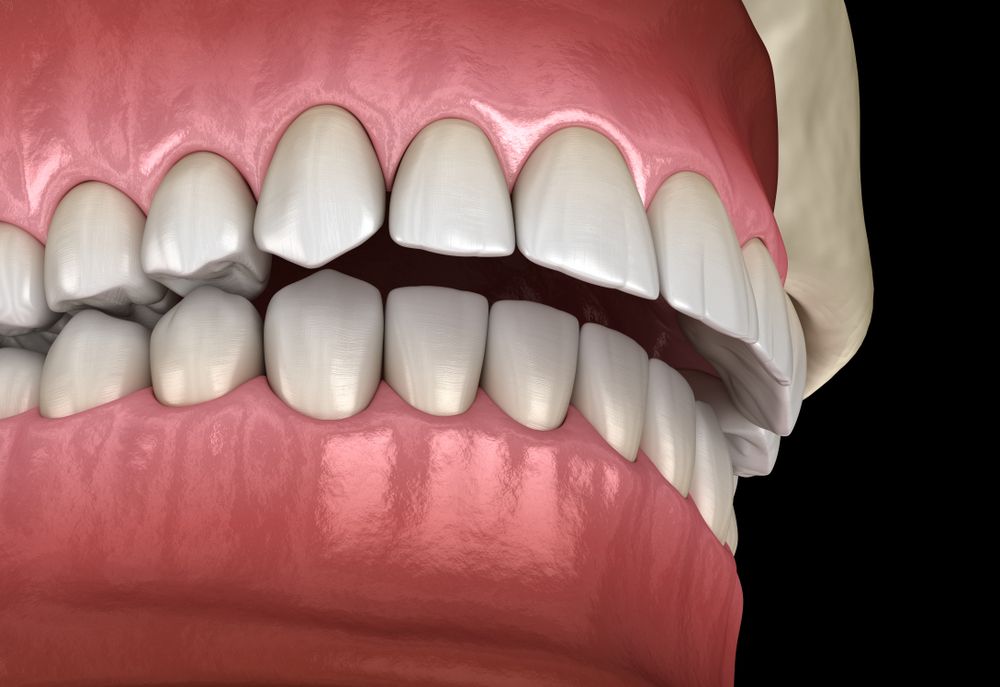
Overbite
An overbite occurs when the upper front teeth overlap the lower front teeth more than expected. The degree of overlap can vary between patients.
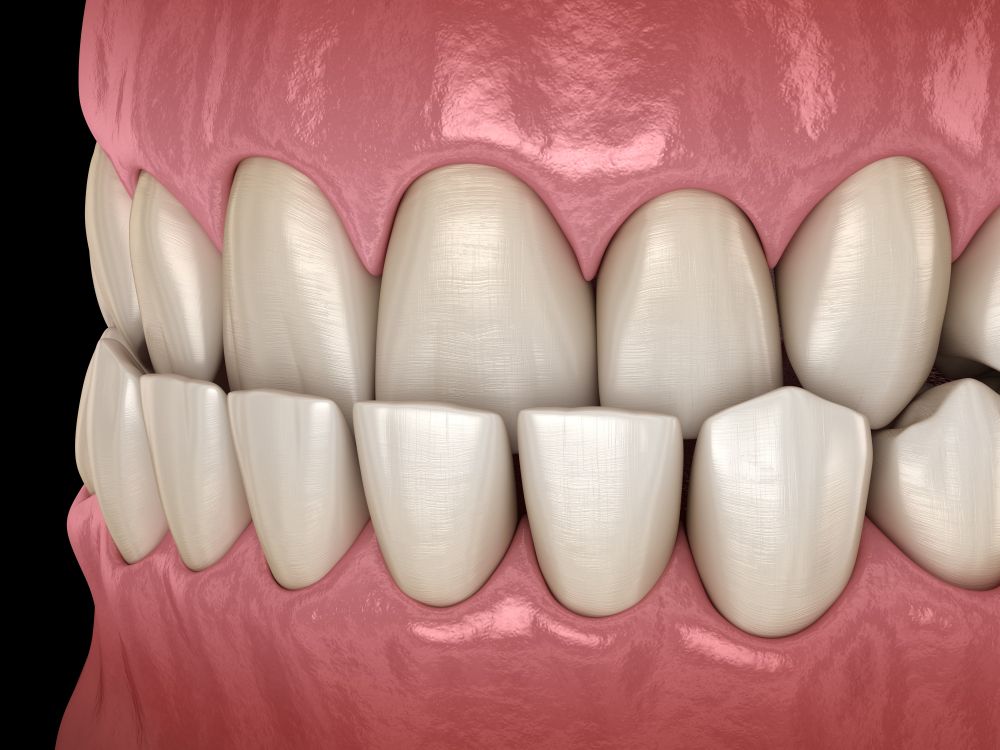
Underbite
An underbite occurs when the lower teeth extend in front of the upper teeth when biting. This can affect the way the teeth meet and function.
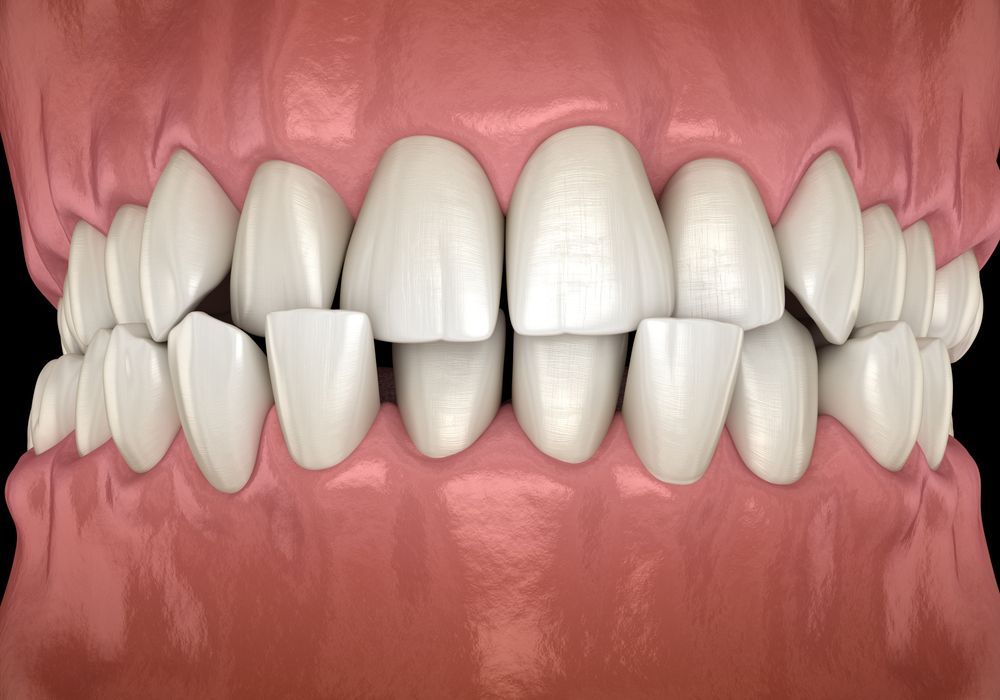
Crossbite
A crossbite occurs when one or more upper teeth sit inside the lower teeth when biting. It can affect one area or multiple areas of the mouth.
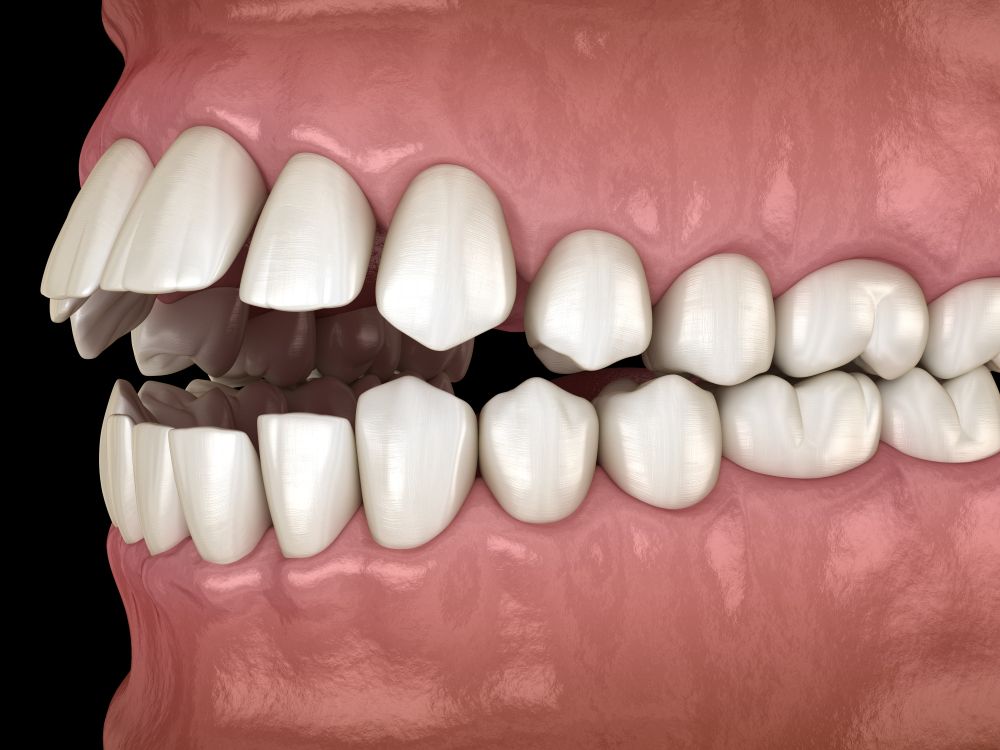
Open Bite
An open bite occurs when certain upper and lower teeth do not meet when the mouth closes, commonly affecting the front teeth.
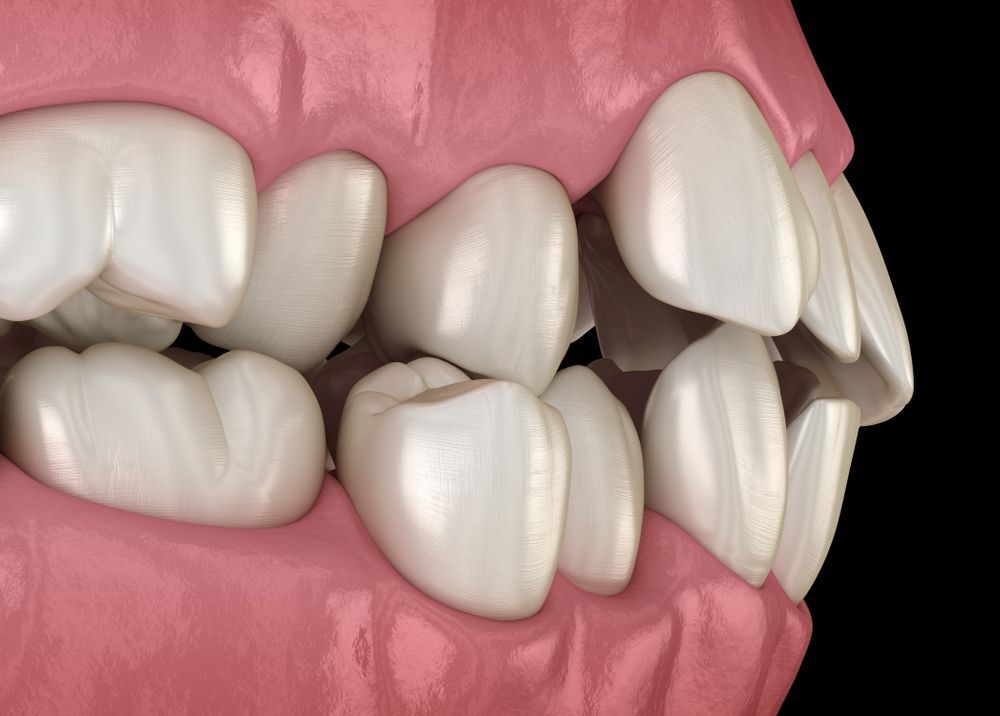
Crowded Teeth
Dental crowding occurs when there is not enough space for teeth to align properly, causing teeth to overlap, rotate, or erupt out of position.
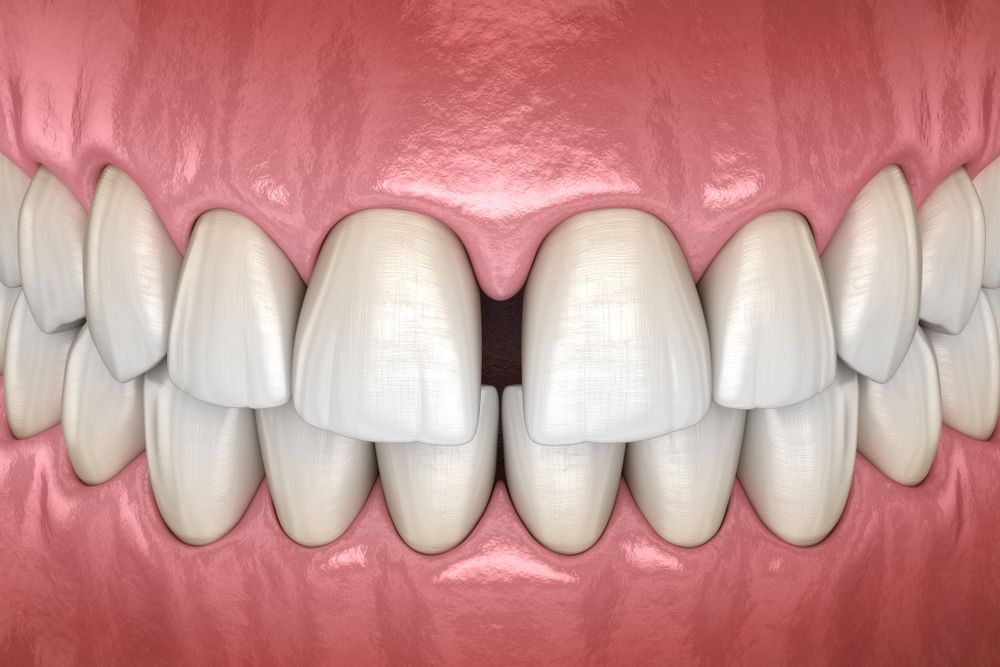
Gapped Teeth
Gaps occur when noticeable spaces develop between teeth. Spacing can be influenced by tooth size, missing teeth, jaw development, or other factors.
Align
Improve
Have Concerns About Your Teeth or Bite?
Schedule an evaluation to better understand your dental alignment and options.