


Endodontics in Culver City, CA
CARE FOR DAMAGED, INFECTED, OR INJURED TEETH
When is Endodontic Treatment Needed?
Endodontic care focuses on diagnosing and treating problems involving the dental pulp, the soft tissue inside a tooth containing nerves and blood vessels. Deep decay, cracks, infection, or dental trauma can affect this tissue and may cause pain, sensitivity, or other symptoms.
Treatment depends on the condition of the tooth and how extensively the pulp has been affected.
Signs that may require evaluation include:
Persistent or severe tooth pain.
Lingering sensitivity to hot or cold.
A cracked, injured, or deeply decayed tooth.
Endodontic Treatments We Provide
The appropriate treatment depends on the condition of the tooth, the health of the dental pulp, and the extent of decay or injury.
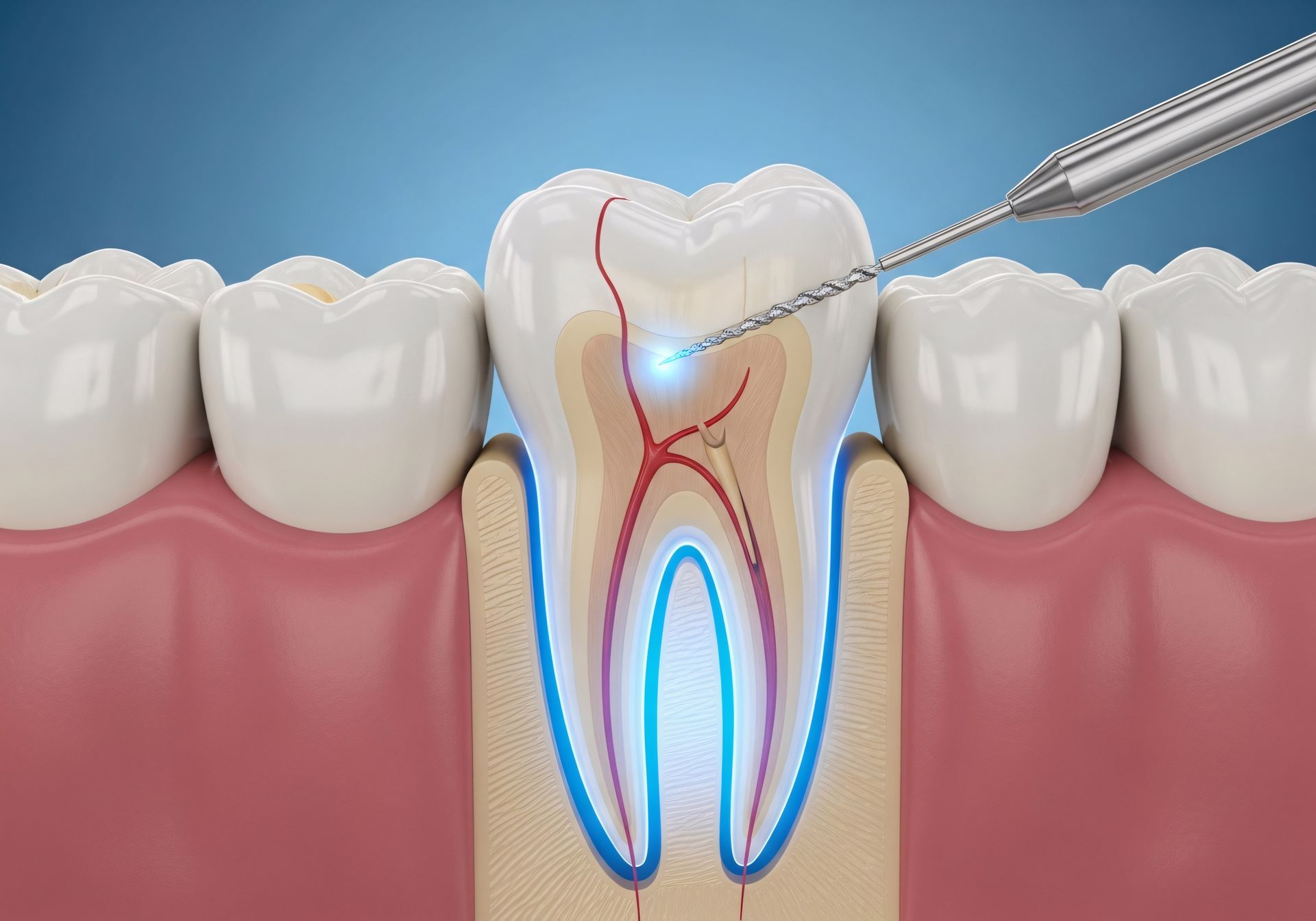
Root Canal Therapy
Removes infected or damaged pulp, then cleans and seals the tooth to help preserve it.
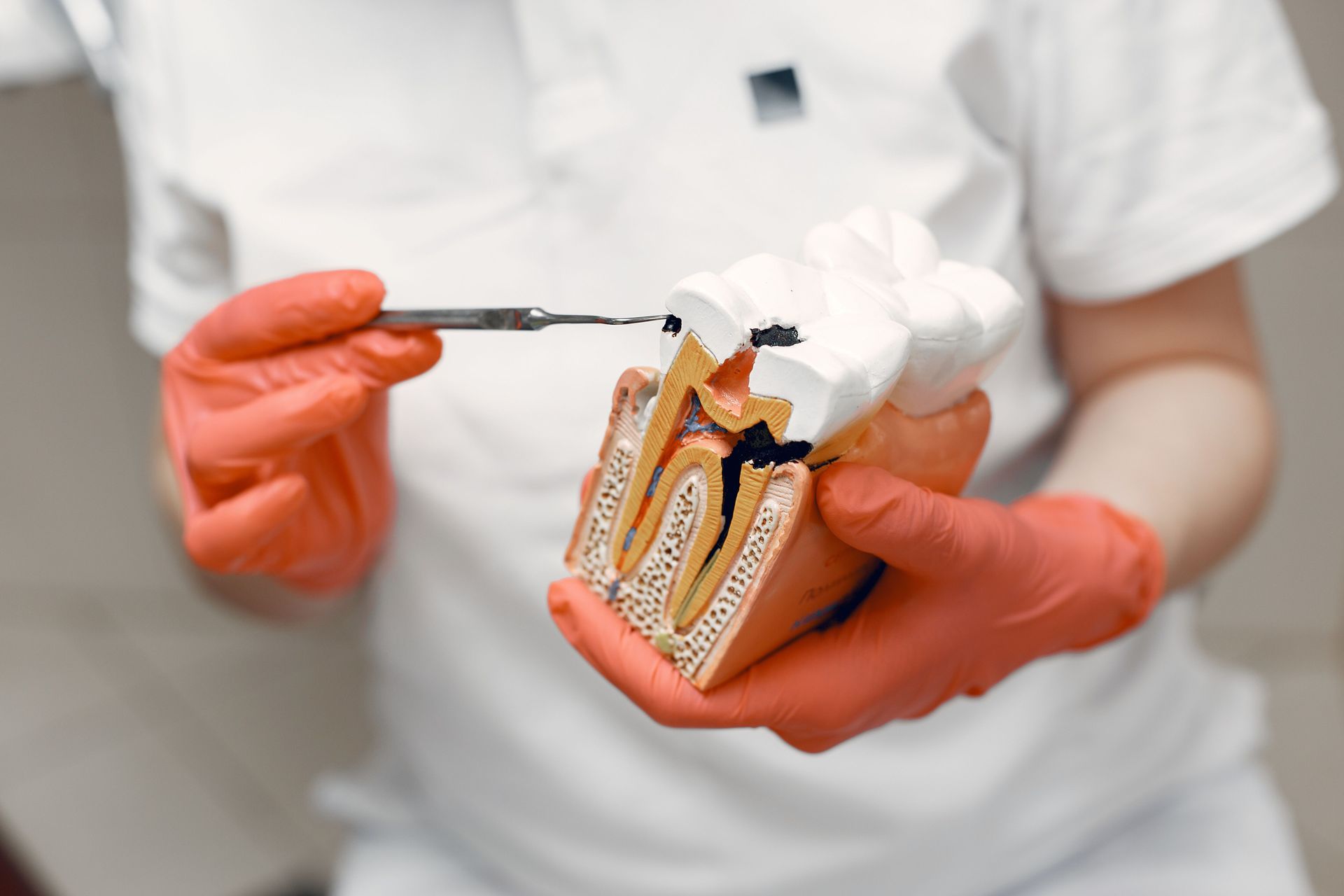
Management of Deep Caries
Treats deep decay near the dental pulp while preserving as much healthy tooth structure as possible.
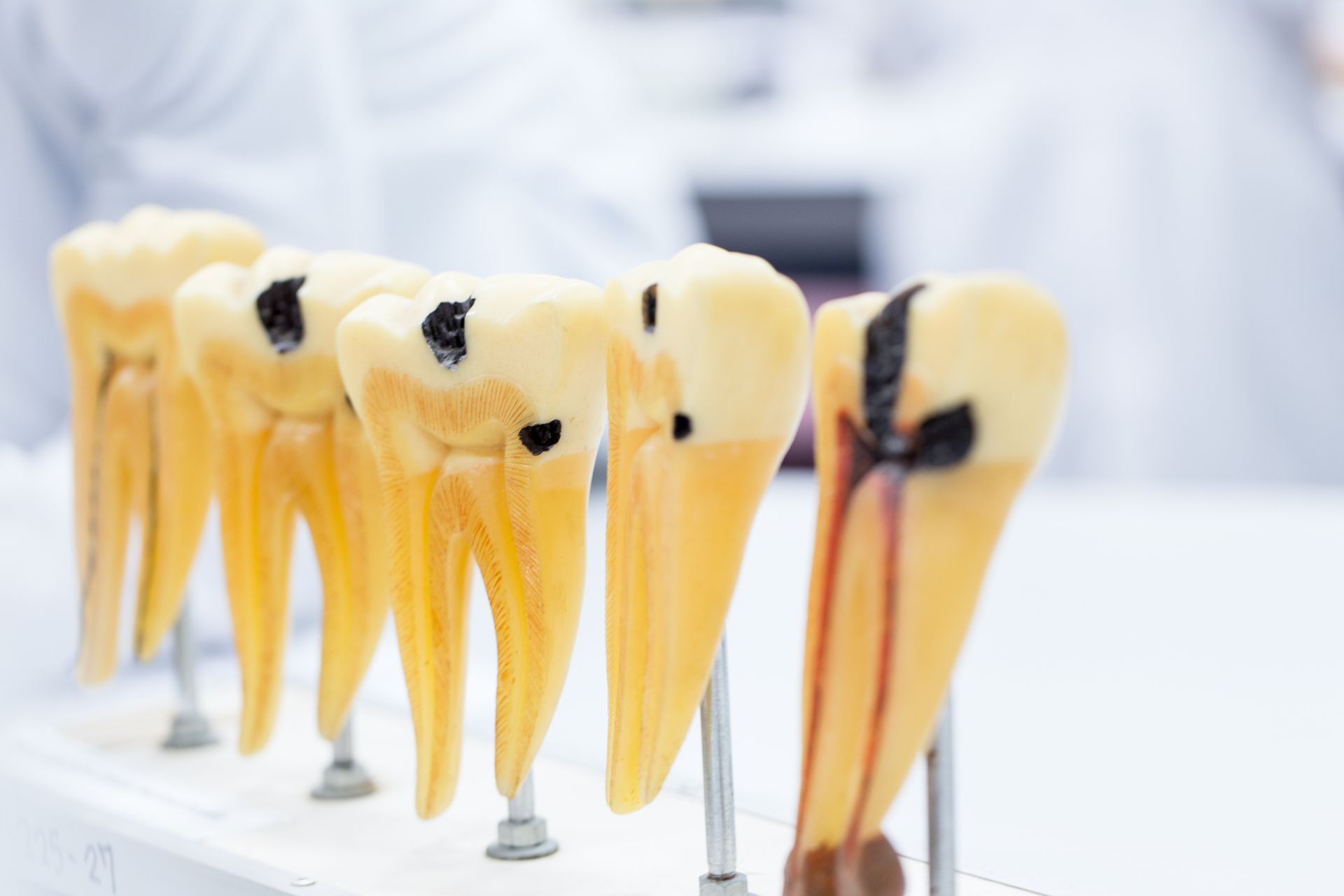
Vital Pulp Therapy
Protects healthy or recoverable pulp tissue when decay or injury affects the inner tooth.
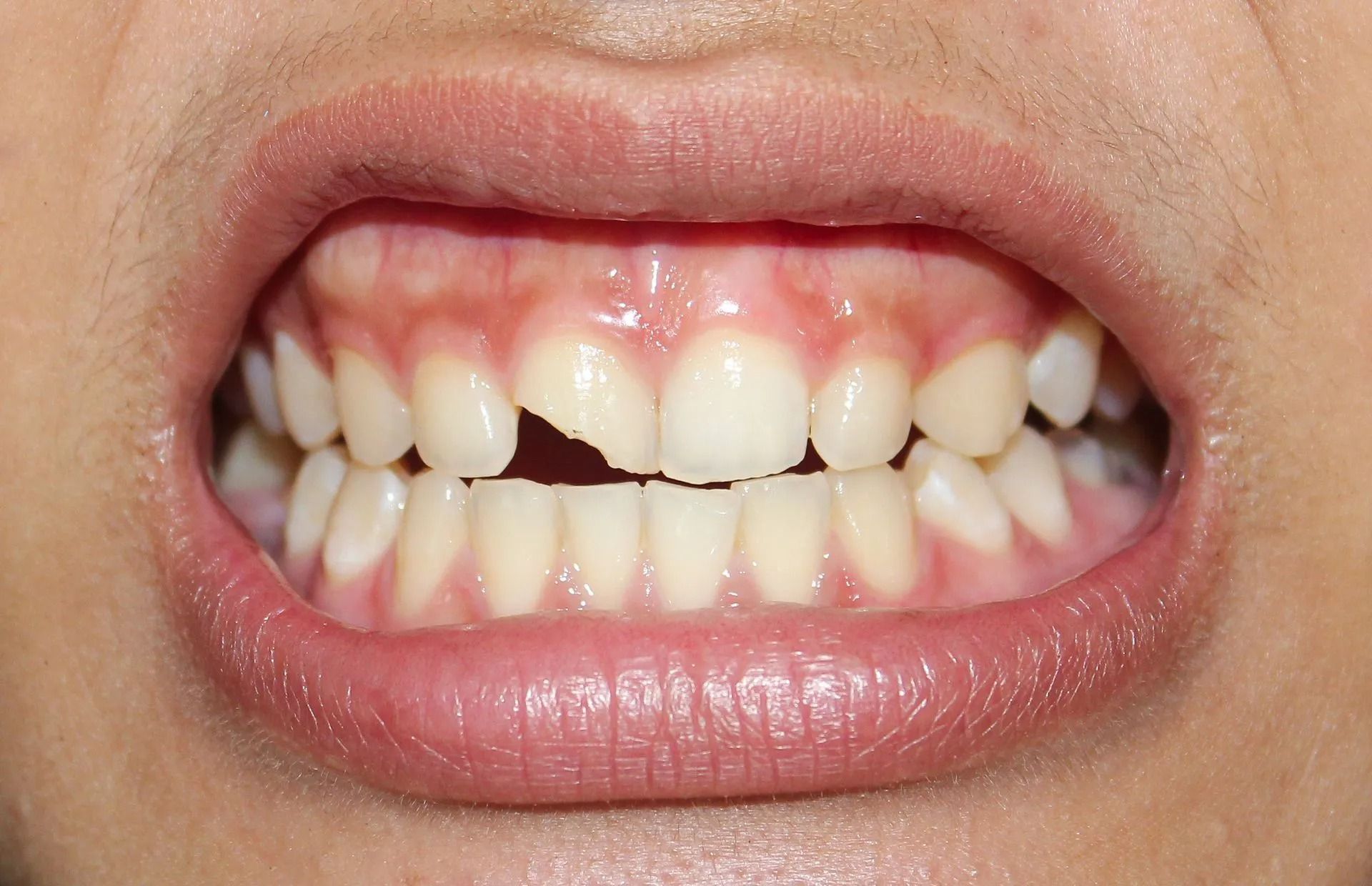
Management of Dental Trauma
Evaluates chipped, cracked, or injured teeth to determine appropriate treatment and protect the affected tooth.
What to Expect With Endodontic Treatment
Endodontic treatment may be needed when decay, infection, injury, or other damage affects the dental pulp inside a tooth. Treatment begins with an examination of the affected tooth and a discussion of symptoms such as pain, sensitivity, or discomfort when chewing.
Dr. Daneshvar may use digital X-rays when appropriate to evaluate the tooth structure, roots, and surrounding tissues. Based on these findings, he can determine whether the tooth may be treated conservatively or requires
root canal therapy or another appropriate procedure.
Frequently Asked Questions
What is endodontic treatment?
Endodontic treatment addresses conditions affecting the dental pulp and tissues inside a tooth. It may be needed when deep decay, infection, cracks, or trauma compromise the pulp. The specific treatment depends on how much of the tooth is affected and whether the remaining pulp tissue can be preserved.
What are the signs that I may need a root canal?
Possible signs include persistent tooth pain, prolonged sensitivity to hot or cold, discomfort when chewing, swelling, or changes around the affected tooth. However, some teeth requiring treatment cause few noticeable symptoms. A dental examination and diagnostic imaging can help determine whether the pulp is damaged or infected.
Can a deeply decayed tooth be treated without a root canal?
Sometimes. If deep decay approaches the pulp but the remaining tissue is still healthy or capable of healing, a more conservative treatment may be considered. The appropriate approach depends on the depth of decay, symptoms, and condition of the pulp. Your dentist must evaluate the tooth before recommending treatment.
What is vital pulp therapy?
Vital pulp therapy aims to preserve living pulp tissue when it has been affected by decay, injury, or another dental problem but may still be capable of healing. Different techniques may be considered depending on how much pulp is involved. The goal is to maintain the health and function of the natural tooth.
What should I do if I injure a tooth?
Contact a dental practice promptly after a tooth injury, particularly if the tooth is cracked, displaced, loose, or causing significant discomfort. Even when damage is not immediately visible, the pulp or supporting tissues may have been affected. A dental evaluation can determine the extent of the injury and appropriate treatment.
Preserve
Restore
Experiencing Tooth Pain or Dental Trauma?
Our Culver City dental team can evaluate your tooth and recommend appropriate endodontic treatment.