


Gum Disease Treatment in Culver City
PROTECT THE FOUNDATION OF YOUR SMILE
What Is Gum Disease?
Gum disease develops when plaque and bacteria contribute to inflammation of the tissues surrounding and supporting your teeth. Gingivitis is the earliest stage and may cause gums to become red, swollen, tender, or prone to bleeding.
Without appropriate care, gum disease can progress to periodontitis and affect the tissues and bone supporting your teeth. Regular evaluations can help identify changes before they become more advanced.
Bleeding gums can indicate inflammation or irritation.
Persistent bad breath may accompany gum disease.
Swollen gums can signal developing periodontal concerns.
Loose teeth may indicate advanced periodontal disease.
Managing and Preventing Gum Disease
Managing gum disease begins with determining its severity. Professional cleanings help remove plaque and tartar, while more advanced periodontal concerns may require deeper cleaning or additional treatment.
Consistent home care is equally important. Brushing, flossing, and keeping recommended dental appointments can help control plaque and support healthier gums over time.
Brush thoroughly along your gumline every day.
Floss daily to remove plaque between teeth.
Professional cleanings remove hardened tartar buildup.
Routine evaluations help monitor changes in gum health.
Signs Your Gums May Need Attention
Gum disease can affect patients differently depending on its stage and severity. Some changes are easy to notice, while others may progress gradually without significant discomfort. Our team can evaluate your gums and determine whether additional care is appropriate.
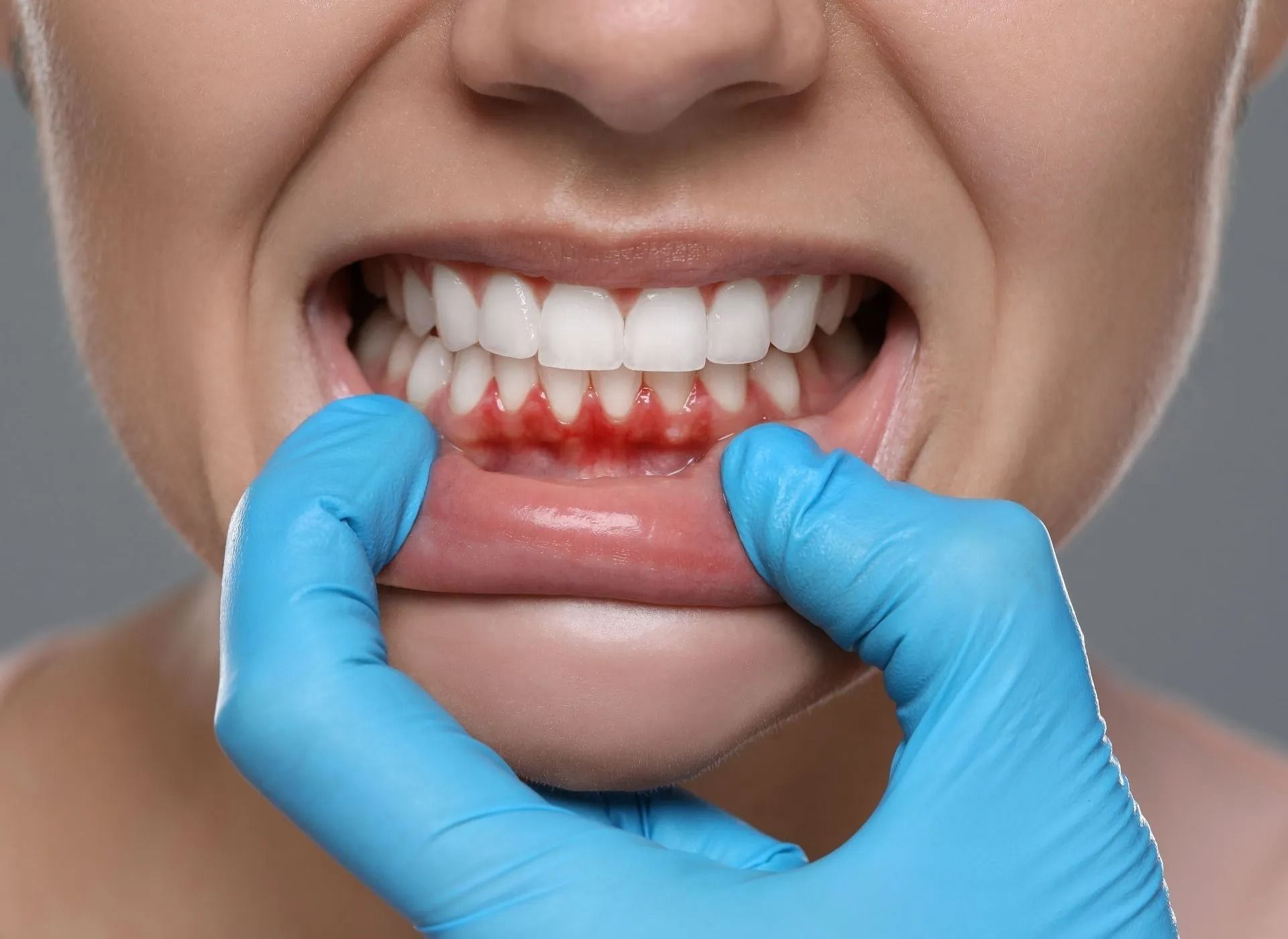
Bleeding Gums
Gums that regularly bleed during brushing or flossing may indicate inflammation. Persistent bleeding should be evaluated to determine the underlying cause.

Periodontitis
Periodontitis is an advanced form of gum disease that can affect the tissues and bone supporting your teeth. Ongoing care is important for managing its progression.
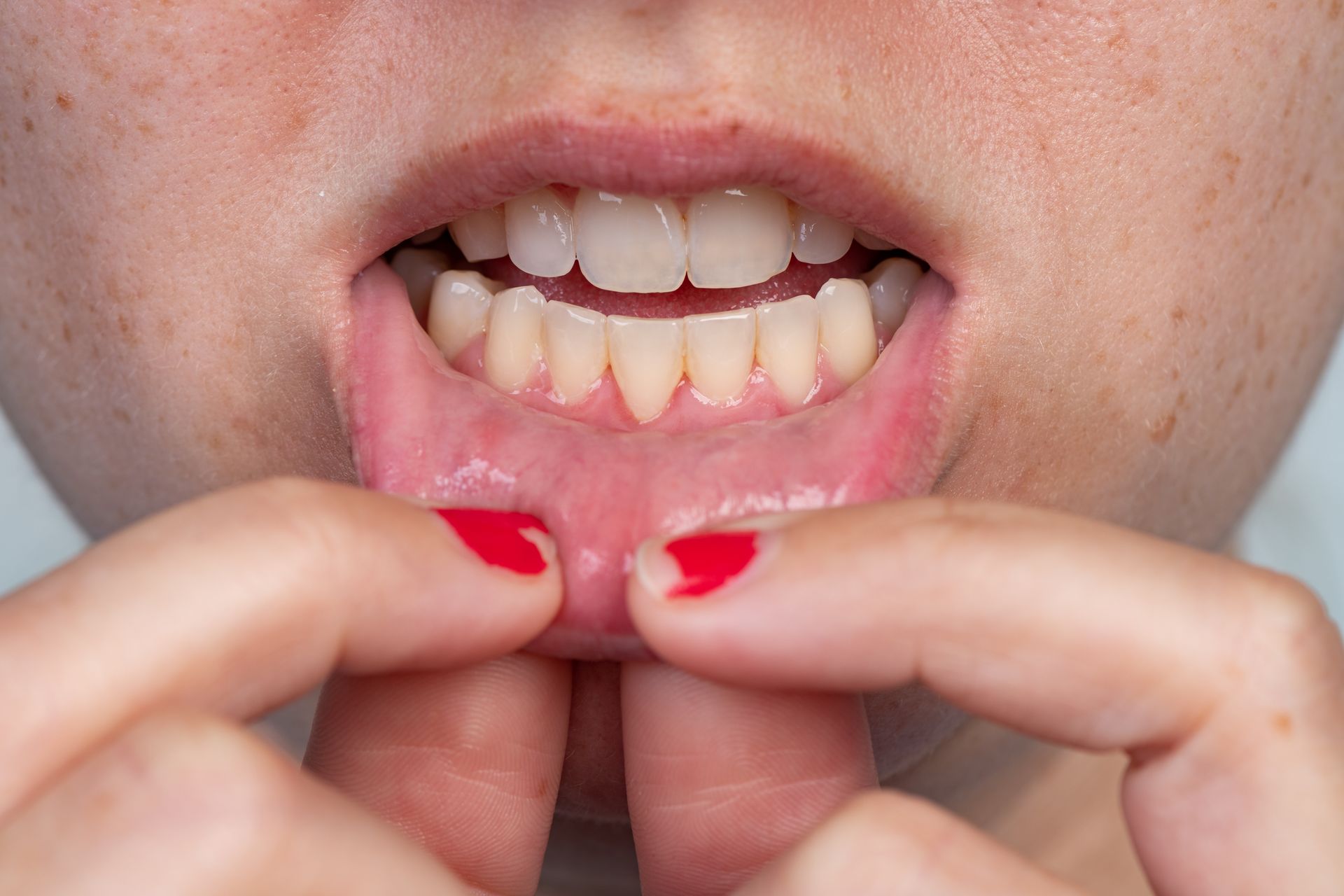
Gum Recession
Gum recession occurs when gum tissue pulls away from teeth, exposing more of the tooth or root. This can contribute to sensitivity and other oral health concerns.
Prevention
Health
Give Your Gums the Care They Need
Schedule an evaluation if you notice bleeding, recession, or other changes in your gums.