


Root Canal Therapy in Culver City, CA
RELIEVE TOOTH PAIN AND HELP SAVE YOUR NATURAL TOOTH
Root Canal Therapy for an Infected or Damaged Tooth
Root canal therapy may be recommended when the pulp inside a tooth becomes inflamed, infected, or damaged.
Deep decay, cracks, repeated dental treatment, or trauma can allow bacteria to reach the pulp and cause discomfort or infection. Treatment removes the affected pulp, cleans and seals the inside of the tooth, and helps preserve the natural tooth when appropriate.
Persistent tooth pain may require dental evaluation.
Temperature sensitivity may indicate pulp inflammation.
Chewing discomfort can signal an underlying problem.
Swelling may develop around an infected tooth.
Experiencing Tooth Pain?
Book an Appointment form
Thank you for contacting Dental Studio of Culver City. While we strive to respond to inquiries promptly, our team may be assisting patients or away from the front desk. We will do our best to get back to you as soon as possible.
If you are experiencing a dental emergency, please call our practice directly for the quickest assistance at (310) 202-9009.
Please try again later.
Other Dental Treatments We Provide
Dental Studio of Culver City provides preventive, restorative, and surgical dental treatments for a variety of oral health needs. Explore additional ways we can help maintain or restore your smile.
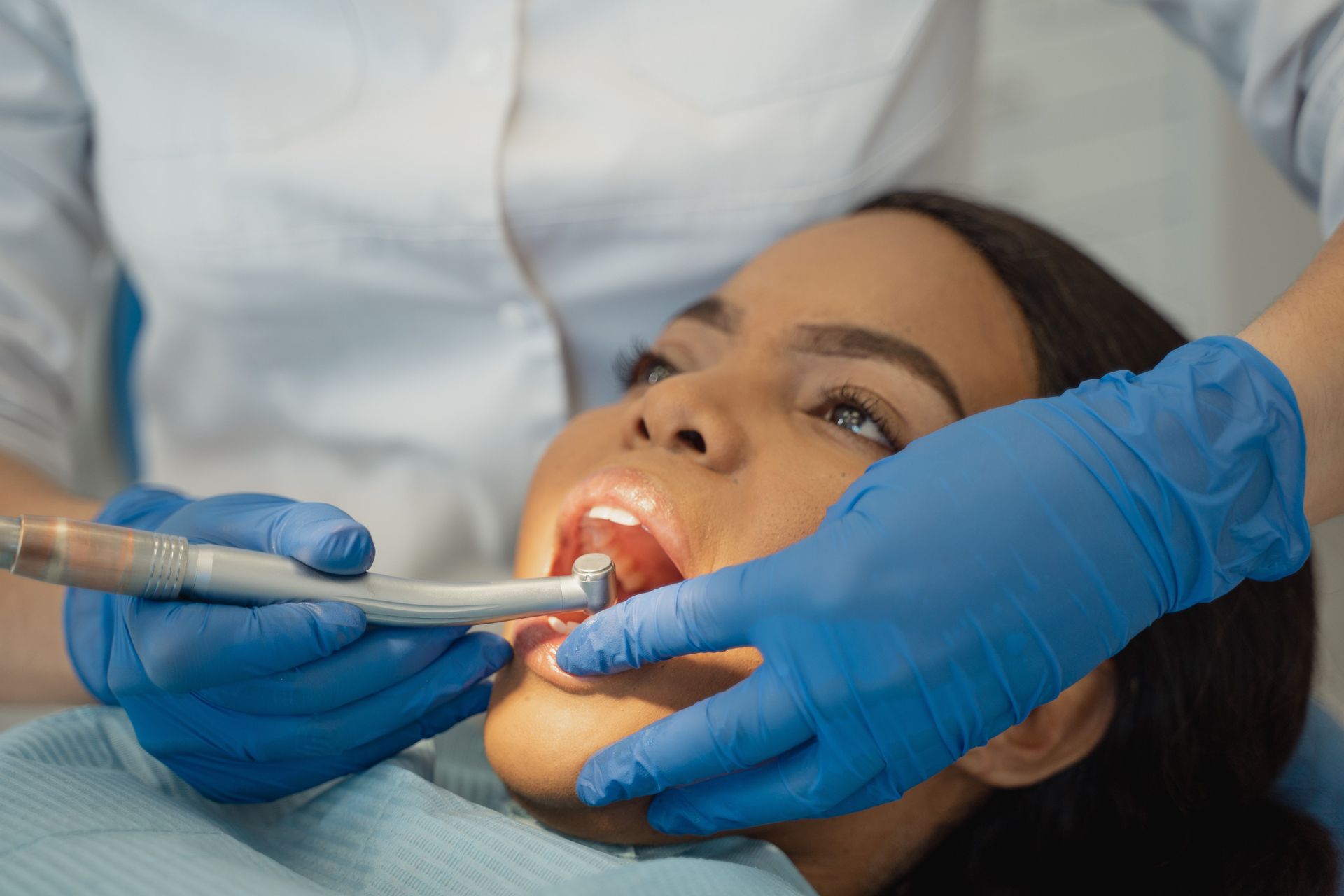
Dental Cleanings
Maintain healthier teeth and gums with routine professional preventive care.

Dental Fillings
Repair teeth affected by cavities and restore comfortable everyday function.
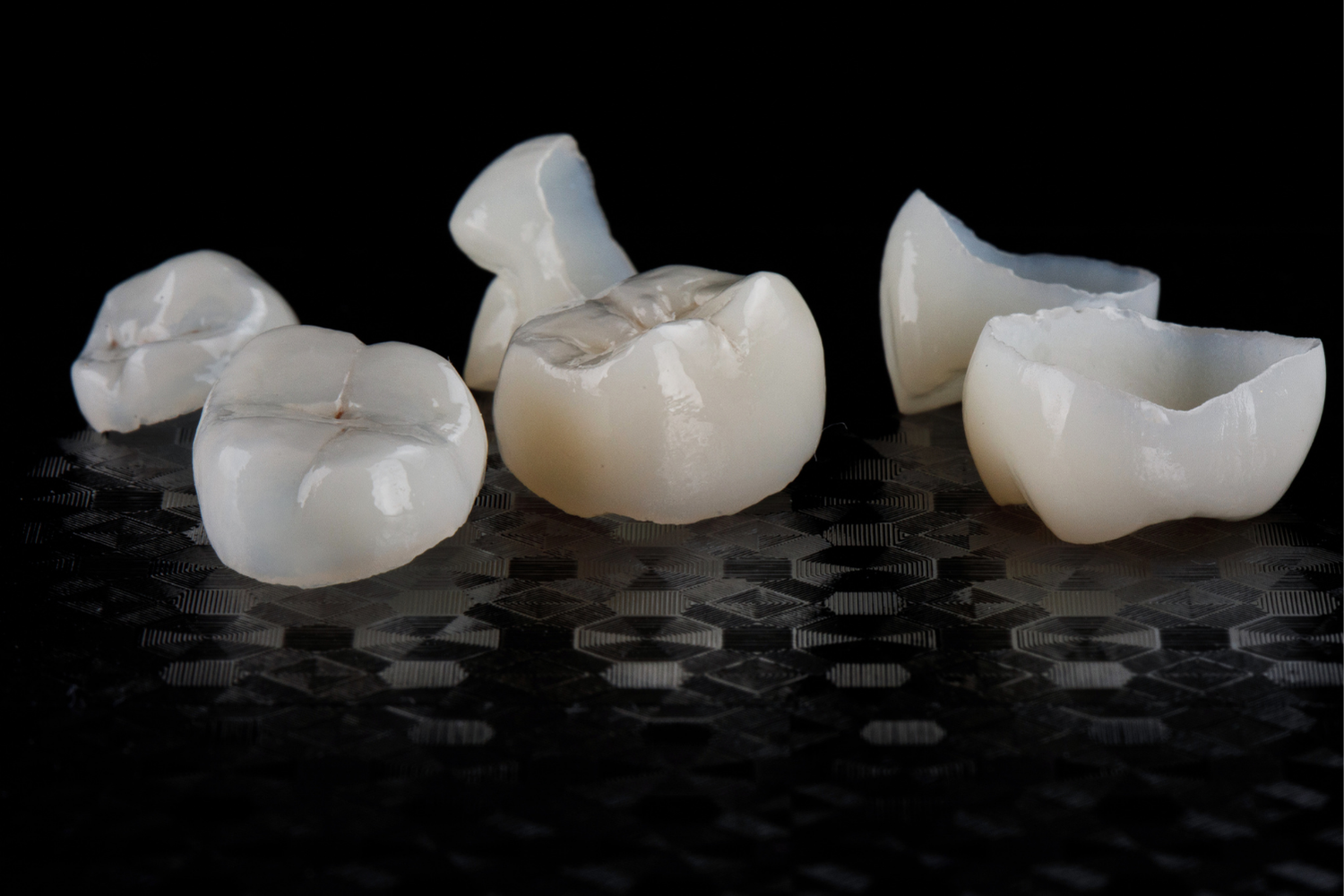
Dental Crowns and Bridges
Restore damaged teeth or replace spaces created by missing teeth.
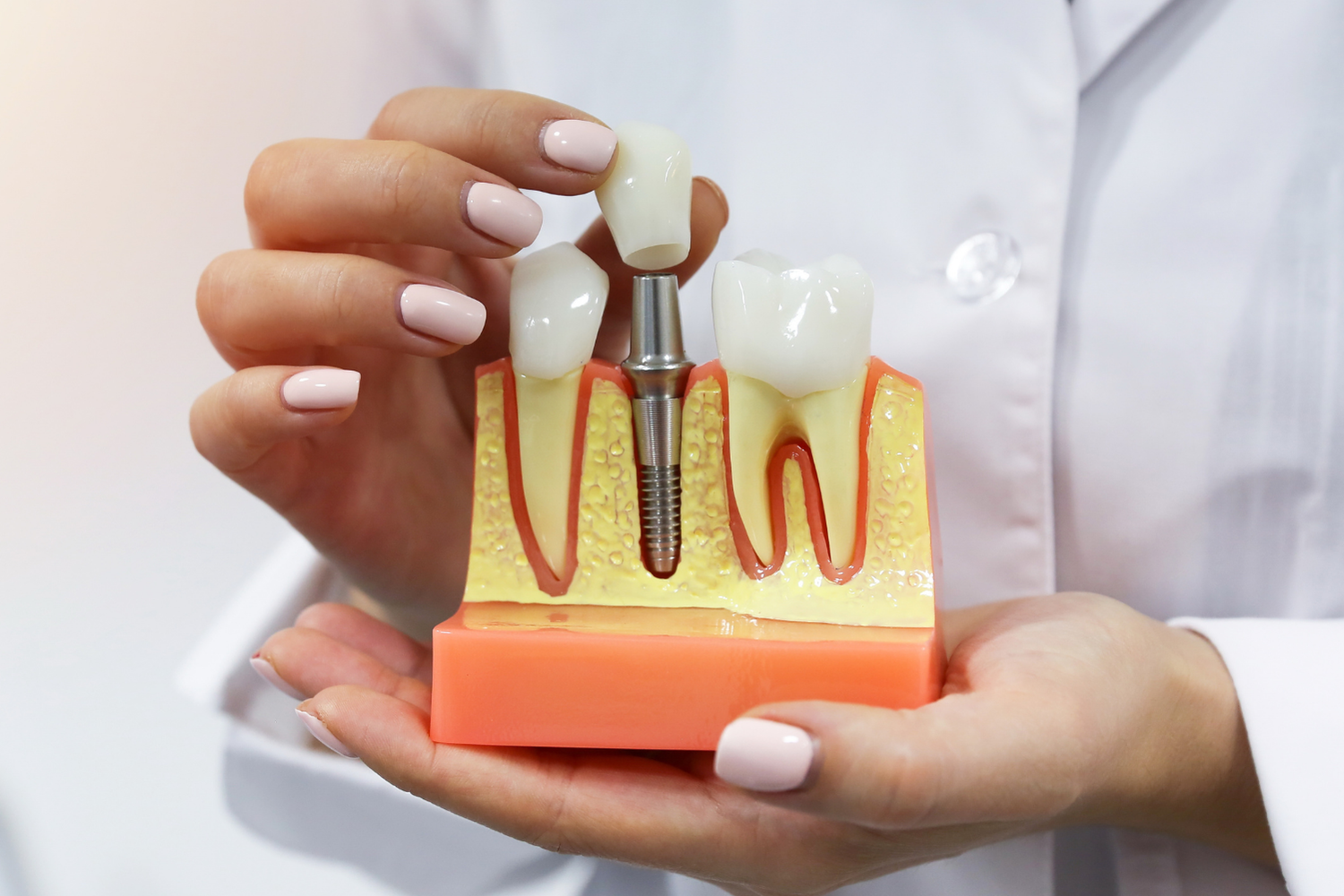
Single Tooth Implants
Replace one missing tooth with a stable implant-supported dental restoration.

How Does Root Canal Therapy Work?
Treatment begins by evaluating the affected tooth and using digital X-rays when appropriate. The area is numbed before the affected pulp is removed and the inside of the tooth is cleaned, shaped, and sealed.
After treatment, a
dental crown or another restoration may be recommended to protect the remaining tooth structure and restore function.
The affected tooth is carefully evaluated first.
Local anesthetic helps keep treatment comfortable.
Damaged pulp is removed and canals cleaned.
The tooth is sealed and appropriately restored.
Root Canal Therapy for Kids
Children can also develop deep decay, infection, or dental trauma that affects the pulp inside a tooth. When this happens, root canal treatment may be considered to relieve discomfort, manage infection, and preserve the affected tooth when appropriate.
Treatment depends on whether the tooth is primary or permanent, how extensively the pulp is affected, and the child's overall oral health. The dentist will evaluate the tooth and recommend the most appropriate approach based on the individual situation.
Deep decay or infection affecting the dental pulp.
Tooth pain, sensitivity, or swelling.
Dental trauma involving a primary or permanent tooth.
Treatment planned according to the tooth and stage of development.
Frequently Asked Questions
How do I know if I need a root canal?
Persistent tooth pain, prolonged sensitivity to hot or cold, discomfort when chewing, swelling, or tenderness may indicate a problem involving the dental pulp. Some affected teeth cause few noticeable symptoms, so an examination and diagnostic imaging are often needed to determine whether root canal therapy or another treatment is appropriate.
Is root canal therapy painful?
Local anesthetic is typically used to numb the tooth and surrounding area before root canal therapy begins. You may notice pressure during treatment, but anesthesia helps manage discomfort. Some tenderness or sensitivity can occur afterward as the surrounding tissues recover, and this should generally become less noticeable as healing progresses.
How long does a root canal take?
Treatment time depends on the tooth, the number and complexity of its root canals, and the extent of infection or damage. Some root canals can be completed in one appointment, while more complex cases may require additional visits. Your dentist can provide a more specific timeline after evaluating the affected tooth.
Do I need a dental crown after a root canal?
A dental crown is commonly recommended for certain root canal-treated teeth, particularly back teeth exposed to stronger chewing forces. The appropriate final restoration depends on the location of the tooth and how much healthy structure remains. Your dentist can determine how the tooth should be restored and protected after treatment.
What happens if an infected tooth is not treated?
An untreated infection inside a tooth can progress and affect the tissues surrounding the root. Symptoms may become more noticeable, and the tooth may eventually become difficult to preserve. If you have persistent tooth pain, swelling, or other concerning symptoms, a dental evaluation can identify the cause and appropriate treatment.
Relief
Preservation
Experiencing Tooth Pain or Sensitivity?
Our Culver City dental team can evaluate the cause and determine whether root canal therapy is appropriate.