


Oral Surgery in Culver City, CA
SURGICAL DENTAL CARE PLANNED AROUND YOUR ORAL HEALTH
When is Oral Surgery Needed?
Oral surgery may be recommended when a dental concern cannot be effectively addressed with routine restorative treatment alone. This can include teeth that cannot be preserved, problematic wisdom teeth, insufficient bone for certain dental procedures, or situations where additional tooth structure needs to be exposed.
At Dental Studio of Culver City, treatment begins with an evaluation to determine whether a surgical procedure is appropriate for your individual needs.
Oral surgery may be considered for:
Severely damaged or non-restorable teeth.
Painful, impacted, or problematic wisdom teeth.
Bone loss in areas requiring additional support.
Teeth requiring additional exposure for restoration.
Oral Surgery Procedures We Provide
Oral surgery includes different procedures to address damaged teeth, problematic wisdom teeth, bone loss, and other conditions affecting the teeth and supporting structures.
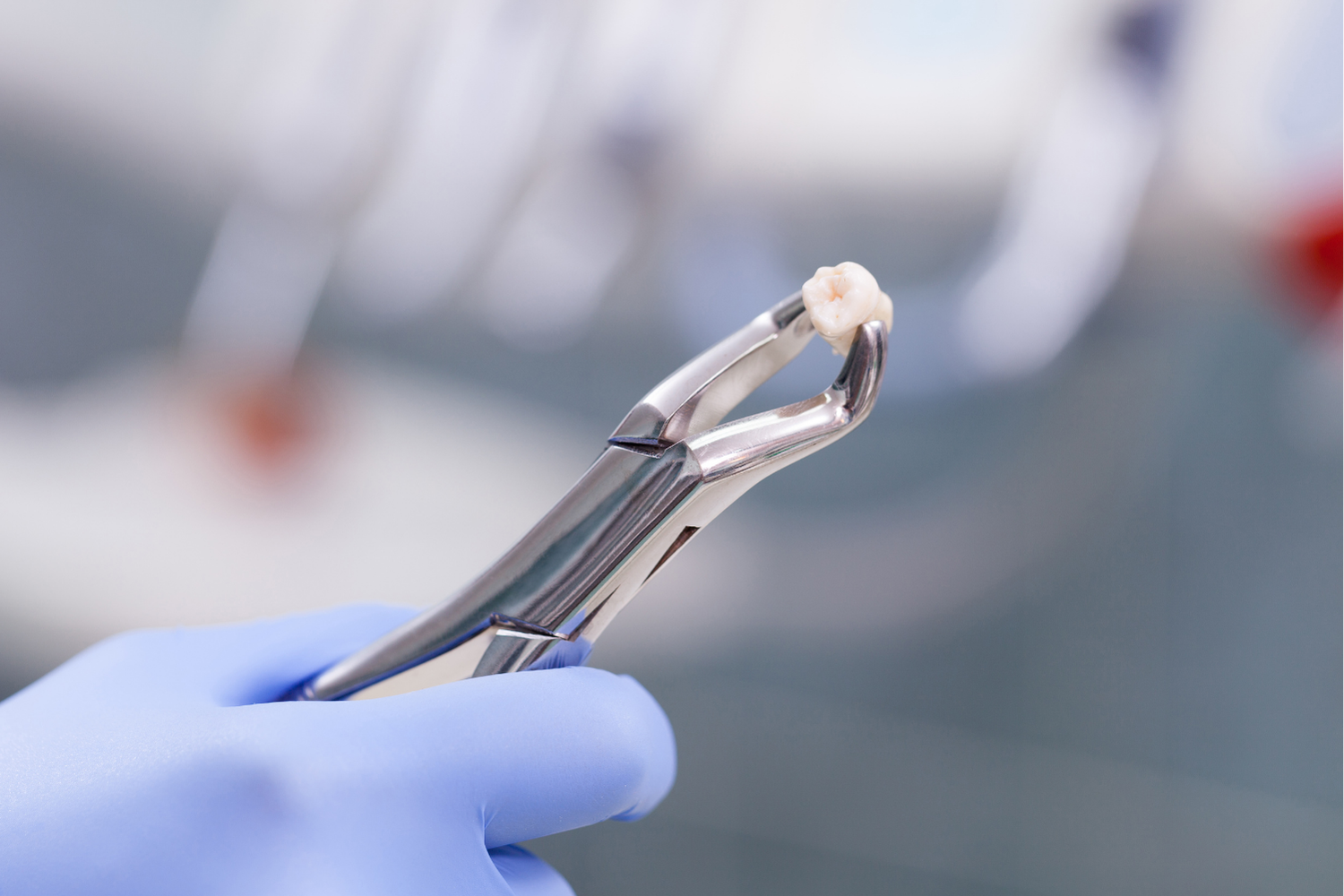
Tooth Extractions
Removes teeth that cannot be restored due to extensive decay, damage, infection, or other dental concerns.
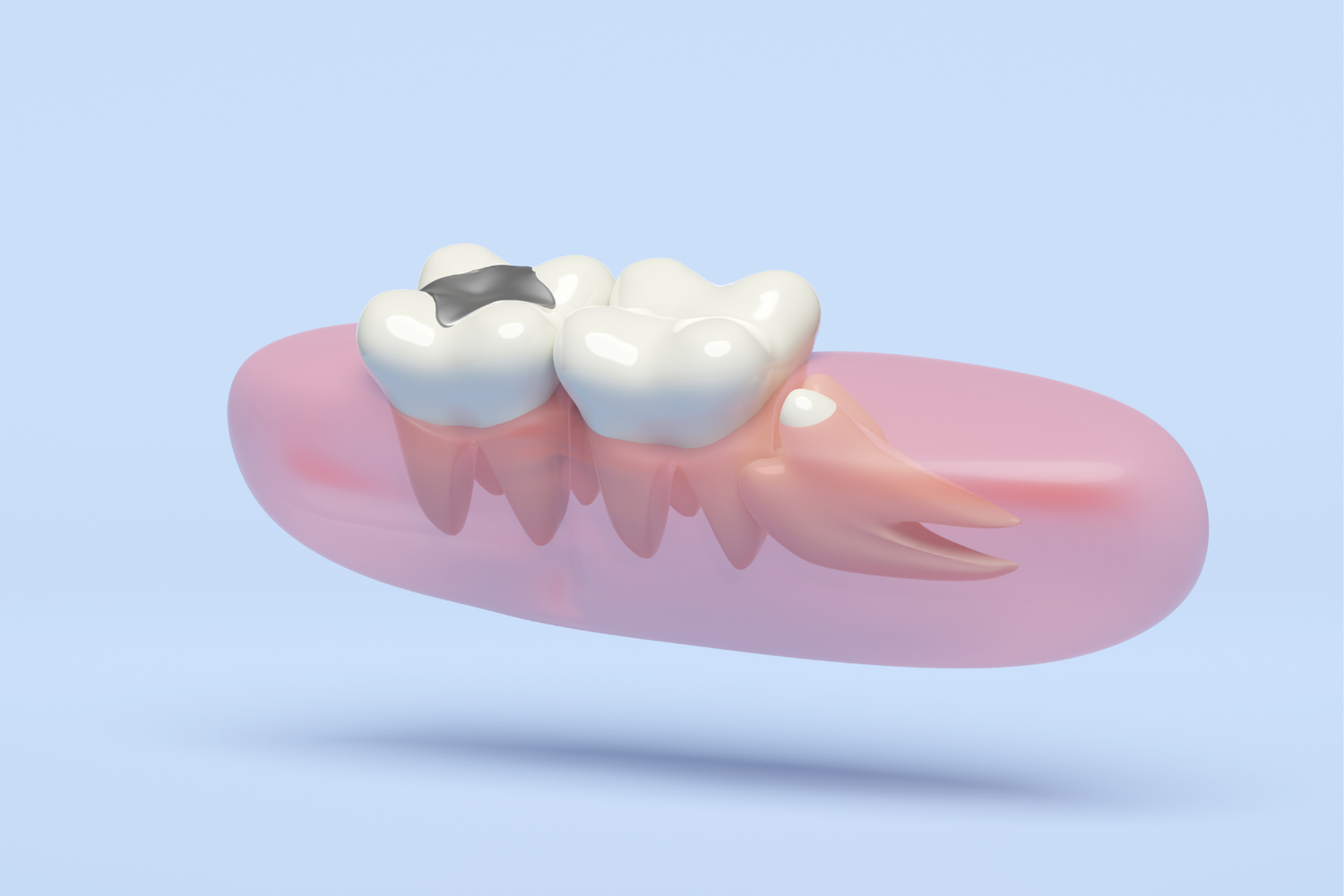
Wisdom Teeth Removal
Removes problematic wisdom teeth causing pain, infection, crowding, or damage to the teeth.

Crown Lengthening
Reshapes gum tissue and bone when needed to expose more tooth structure for restoration.
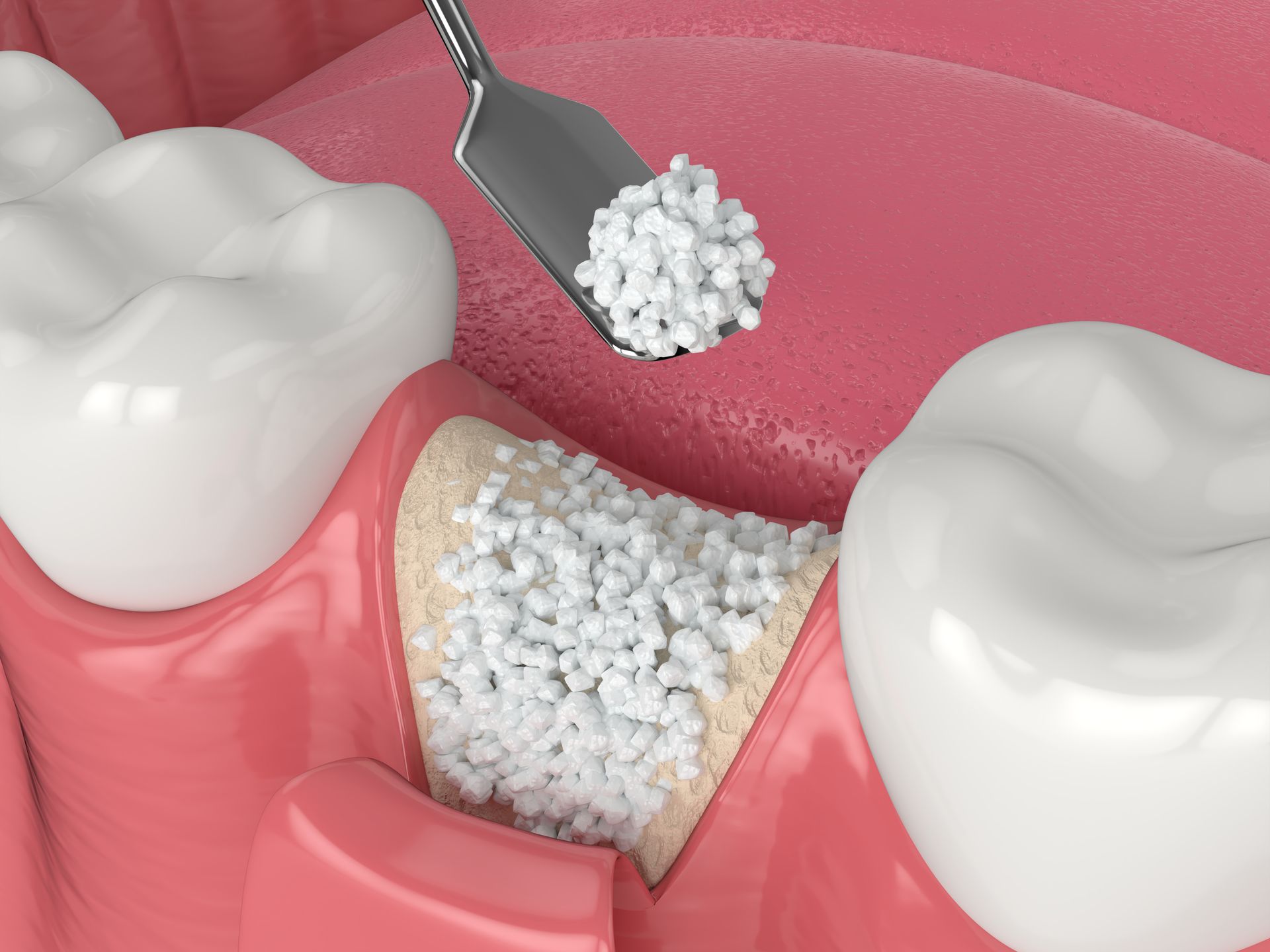
Bone Grafts
Rebuilds or preserves jawbone following tooth loss or in preparation for dental implant treatment.
What to Expect With Oral Surgery
Oral surgery may be recommended when a dental concern cannot be effectively managed with routine restorative treatment. This may include severely damaged teeth, problematic wisdom teeth, bone loss, or situations requiring additional tooth structure to be exposed for restoration.
Dr. Daneshvar will evaluate the affected teeth, surrounding tissues, and supporting bone, using
digital X-rays when appropriate. If surgery is recommended, our team will explain the procedure and provide personalized aftercare instructions to support healing and recovery.
Frequently Asked Questions
When does a tooth need to be extracted?
A tooth may require extraction when extensive decay, significant damage, infection, or another condition makes preserving it difficult or inappropriate. Extraction may also be considered for certain wisdom teeth. Your dentist will evaluate the tooth and surrounding structures before determining whether removal or another treatment is appropriate.
Do all wisdom teeth need to be removed?
No. Wisdom teeth do not automatically require removal. Their position, ability to erupt, surrounding gum health, effect on neighboring teeth, and presence of symptoms or disease should be evaluated. If your wisdom teeth are healthy and not causing problems, your dentist may recommend monitoring them rather than removing them.
What is an impacted wisdom tooth?
An impacted wisdom tooth is a third molar that does not fully emerge into its expected position, often because there is insufficient space or its angle prevents normal eruption. Some impacted teeth can contribute to pain, infection, or problems with neighboring teeth, while others may simply require ongoing monitoring.
Why might I need a bone graft after a tooth extraction?
Bone can change after a tooth is removed because the tooth root is no longer present in the jaw. In certain cases, bone grafting may be recommended to help preserve or rebuild bone in the extraction area, particularly when future dental implant treatment is being considered. Individual treatment needs vary.
How long does it take to recover from oral surgery?
Recovery depends on the procedure performed, its complexity, your overall health, and how your body heals. Some procedures have relatively short recovery periods, while more involved surgery may require additional healing time. Following your post-treatment instructions and attending recommended follow-up appointments can help support the healing process.
Surgical
Personalized
Need an Oral Surgery Evaluation?
Our Culver City dental team can evaluate your needs and recommend appropriate surgical dental care.